How to Reduce Depot Charging Infrastructure

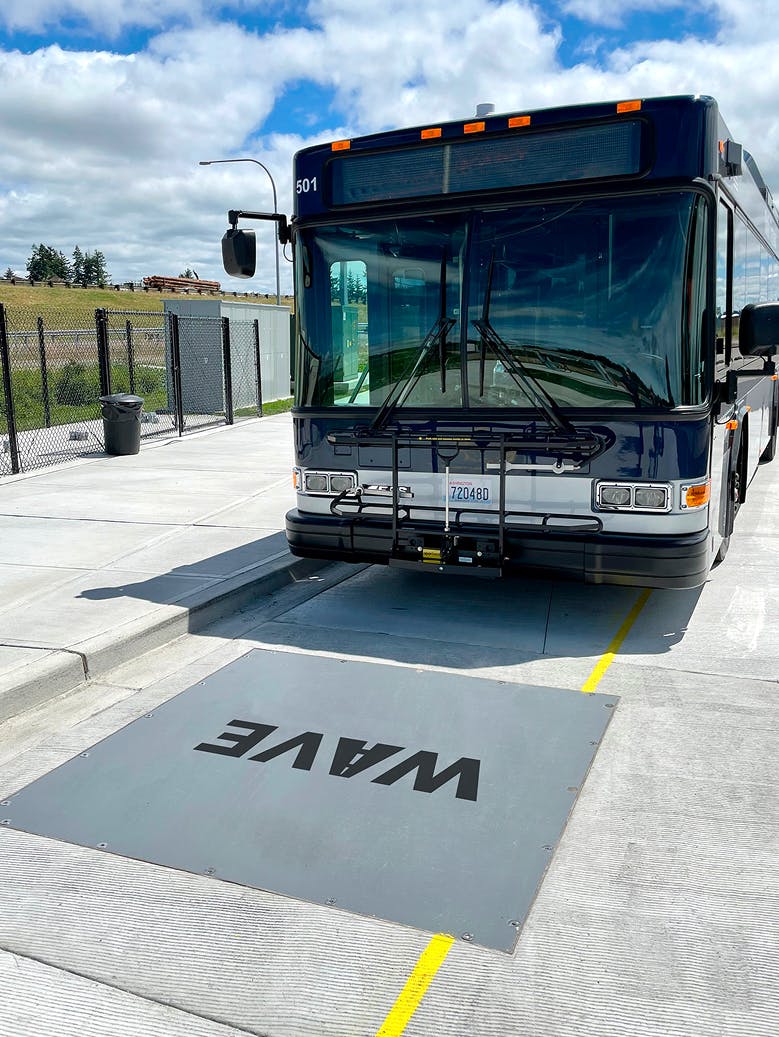
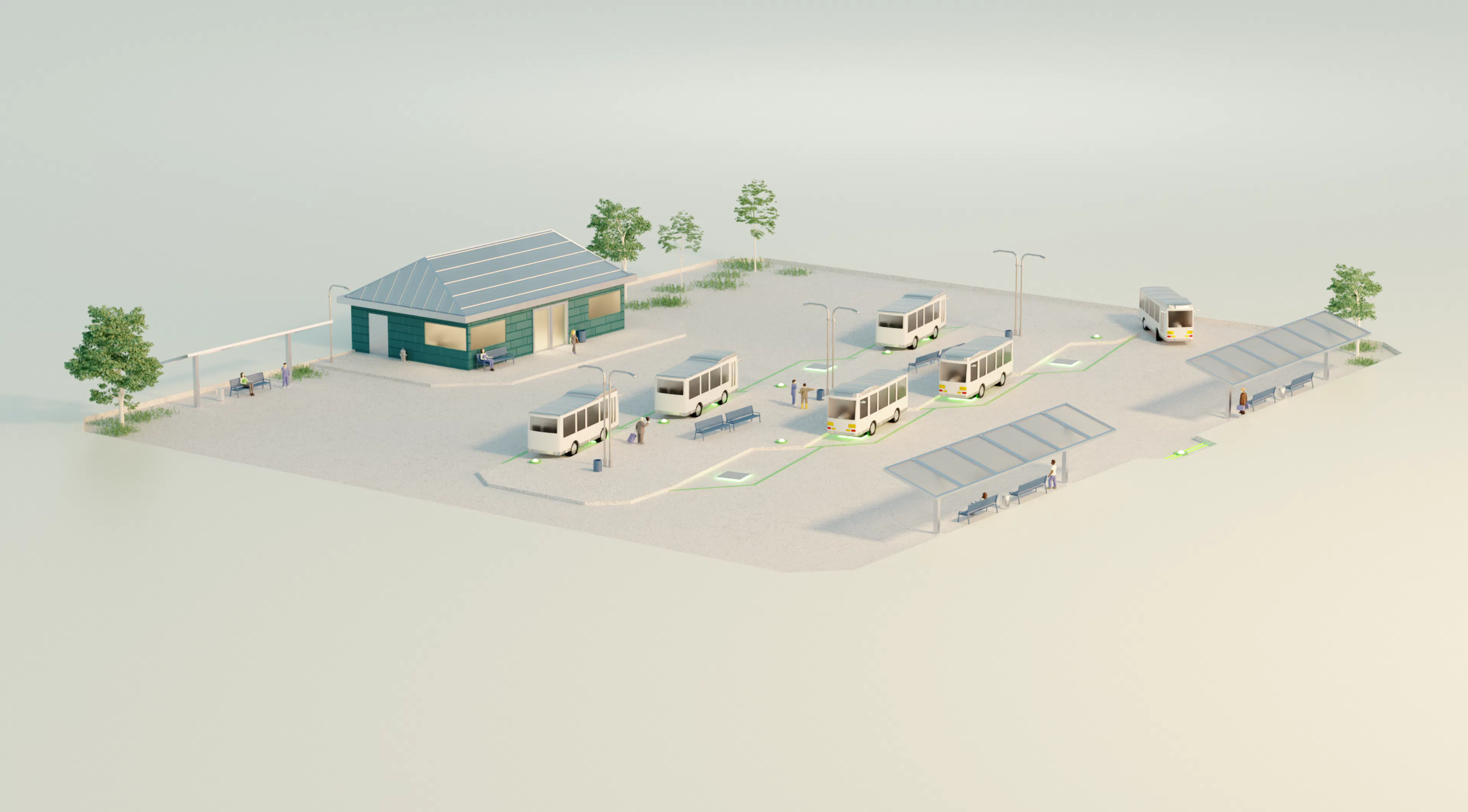
A transit center with electric buses charging wirelessly

Why depot-only charging gets expensive fast

Electrifying a bus fleet usually means building a depot full of chargers, electrical service, and land to park vehicles while they charge. WAVE Charging changes the math: when buses charge wirelessly in-route, far less of that has to live at the depot. Transit agencies using WAVE have reduced depot charging infrastructure by up to 50% while running full service.

Plug-in depot charging concentrates every vehicle's energy needs in one place and one time window. That drives up the cost of the things that are hardest to add later:

  • Electrical capacity — enough service and switchgear to charge the whole fleet at the depot
  • Charger count — often close to one charger per bus to refill overnight
  • Land and time — space for buses to sit while charging, instead of running

Each of those scales with the fleet. Cutting how much charging happens at the depot cuts all three.

How wireless charging reduces depot infrastructure

Move charging onto the route.

Buses top up wirelessly during passenger stops, so they arrive at the depot needing far less — which means fewer depot chargers and less electrical build-out. WAVE agencies have cut depot charging infrastructure by up to 50%.
Fewer, smaller chargers overall.

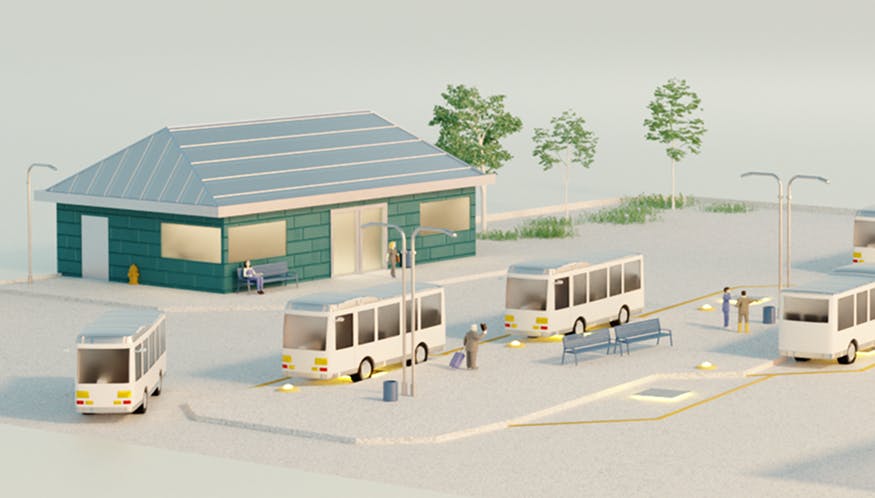
Spreading energy delivery across in-route stops means the fleet no longer needs near one-to-one depot chargers. Across deployments, WAVE customers use 30–50% fewer charging units than an equivalent plug-in build.

Less land sitting idle.

When buses charge while they work, they spend less time parked on a charger — so the depot footprint reserved for charging shrinks.

Lower lifetime maintenance.

Sealed, ground-level systems with no cables or connectors avoid the cable wear, vandalism, and weather faults that drive depot charger maintenance costs.

Proven in the field

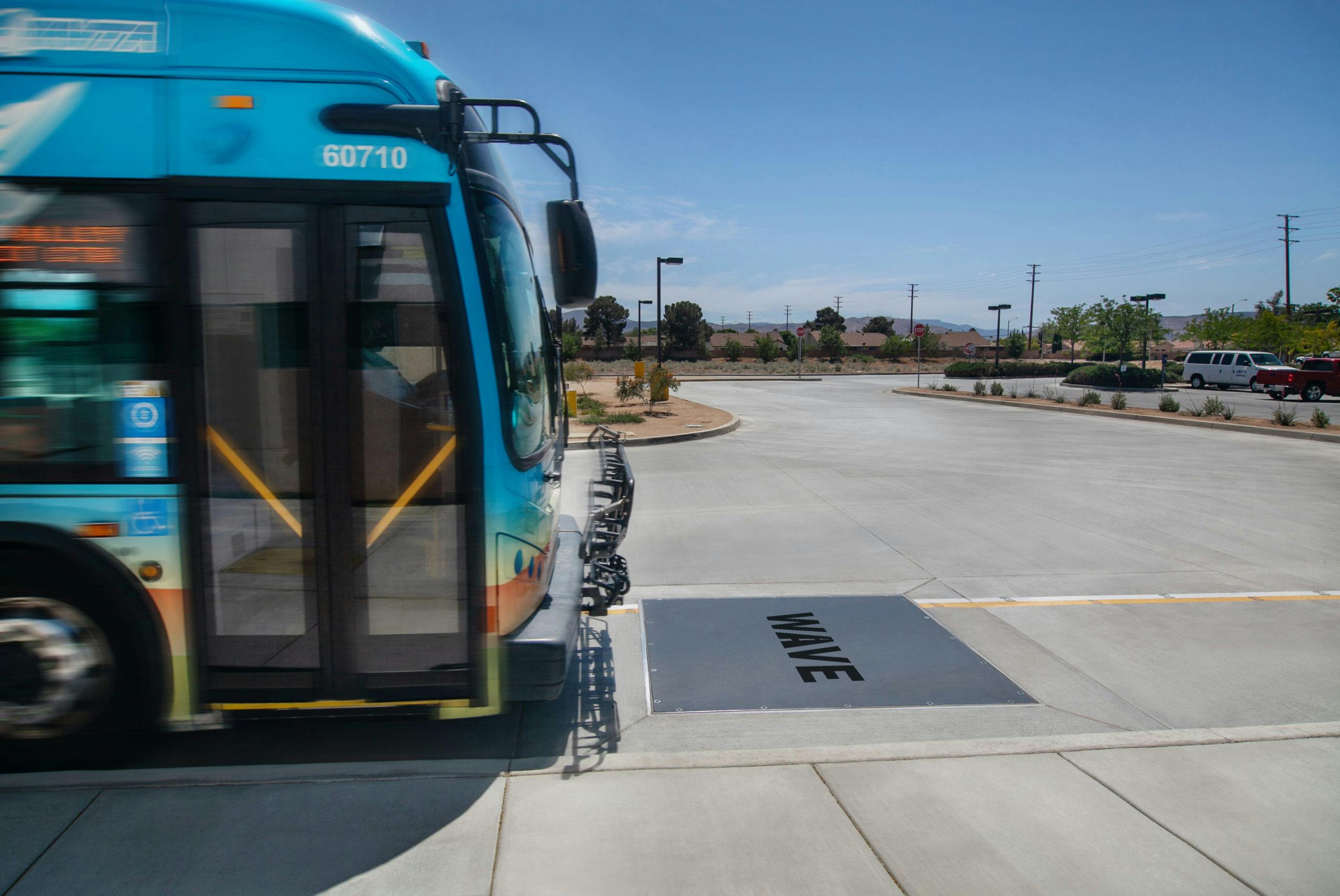
The Antelope Valley Transit Authority in Lancaster, California extended electric bus service onto longer routes without a massive depot expansion — using WAVE wireless charging at key stations instead of building out depot capacity to match. The agency runs full service at a lower total cost of ownership than a depot-only approach would have required.

Frequently asked questions

How much can wireless charging reduce depot infrastructure?

Transit agencies using WAVE have reduced depot charging infrastructure by up to 50%, and use 30–50% fewer charging units overall, by moving charging onto the route instead of concentrating it at the depot.

Why is depot-only charging so expensive?

It concentrates the entire fleet's energy demand into one site and one time window, driving up electrical service, charger count, and the land needed to park buses while they charge. Those costs scale with every bus added.

Do we still need any depot charging with WAVE?

Usually some, but much less. In-route opportunity charging covers a large share of the fleet's energy needs, so the depot build-out shrinks dramatically rather than disappearing entirely.

Does reducing depot chargers put service at risk?

No. Agencies using WAVE maintain full service schedules because buses recharge continuously in-route — the energy is delivered across the day rather than all at the depot.

Related Solutions